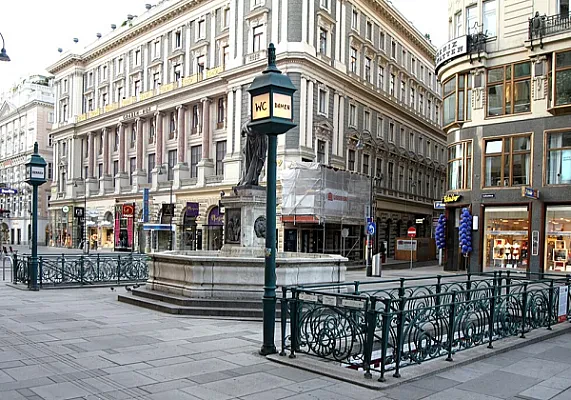
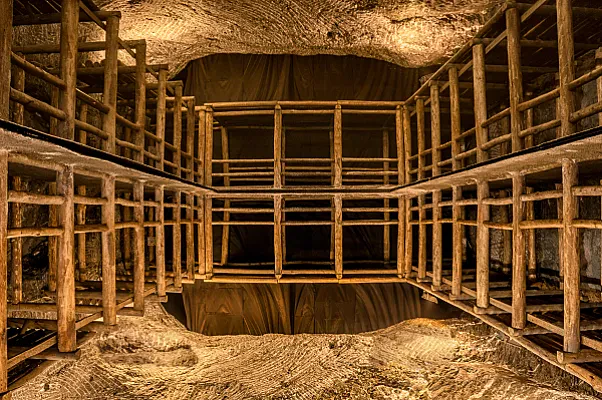
Air raid shelter in Vienna
When the sirens howled, Vienna went to the cellar
A cry with history
Every year on the first Saturday in October, the sirens cry throughout Austria. For most, the test alarm is only a short moment, you look at the phone, maybe just out the window, and go on. A good 80 years ago, a very similar cry in Vienna meant something completely different. Whoever heard him left everything and ran down into the cellar.
Between 1944 and 1945, Vienna was attacked more than 50 times from the air. Nearly 8,800 civilians died in the bombing war. During the attacks, hundreds of thousands of Viennese sat in the basements of their homes and hoped that the ceiling would hold. Beneath the city center, a second city emerged from shelters, corridors and breakthroughs, the traces of which can still be found today.
Preparation for a war from the air
The fear of bombs is older than the Second World War. On April 24, 1935, the Austrian Air Protection Federation was founded. He sent a traveling exhibition for 14 months through all federal states, gave lectures in schools and department stores and rehearsed the darkening around the southern railway station and the eastern railway station in July 1936.
With the Anschluss 1938, the association merged into the German Reichsluftschutzbund. On 5 August 1938, the German Air Protection Act came into force in Austria, and even before the beginning of the war, the first darkening regulations were issued. After dark, no more light was allowed to penetrate outside.
It got really serious from autumn 1940. On October 10, Hitler ordered the so-called Luftschutz Führerprogramm, and Vienna was one of 61 cities in the Reich selected for it. At the end of March 1941, own guidelines for the expansion of the cellars in existing Viennese houses appeared. Responsible was the Luftgaukommando XVII, local air defense chief was the police chief.
Ordinary cellars were now shelters. It supported ceilings, protected windows and openings with steel screens against splinters, built emergency exits, emergency abortions, electric lights and gas locks. But above all, they broke openings in the firewalls to the neighboring houses so that people could flee if their own house burned or collapsed.
The Bombing War over Vienna
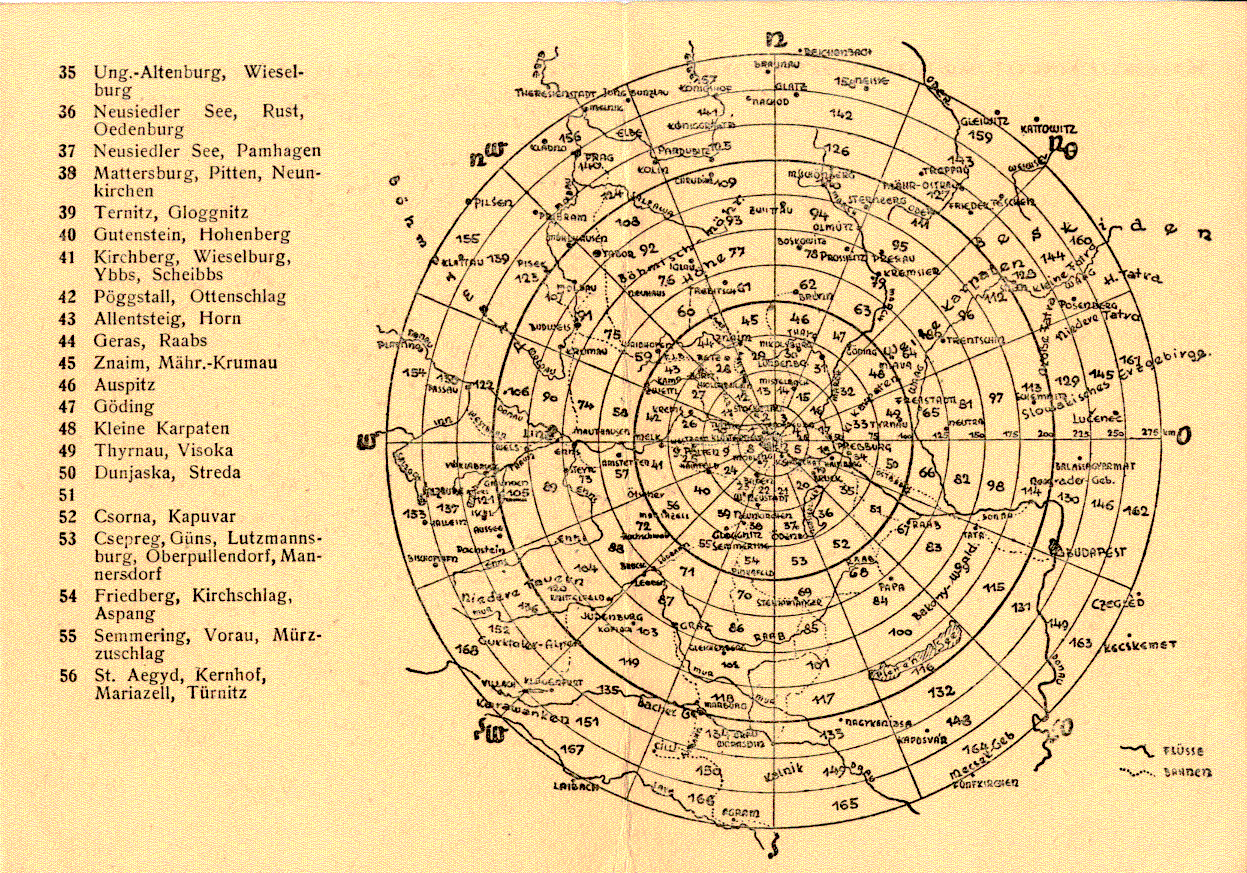
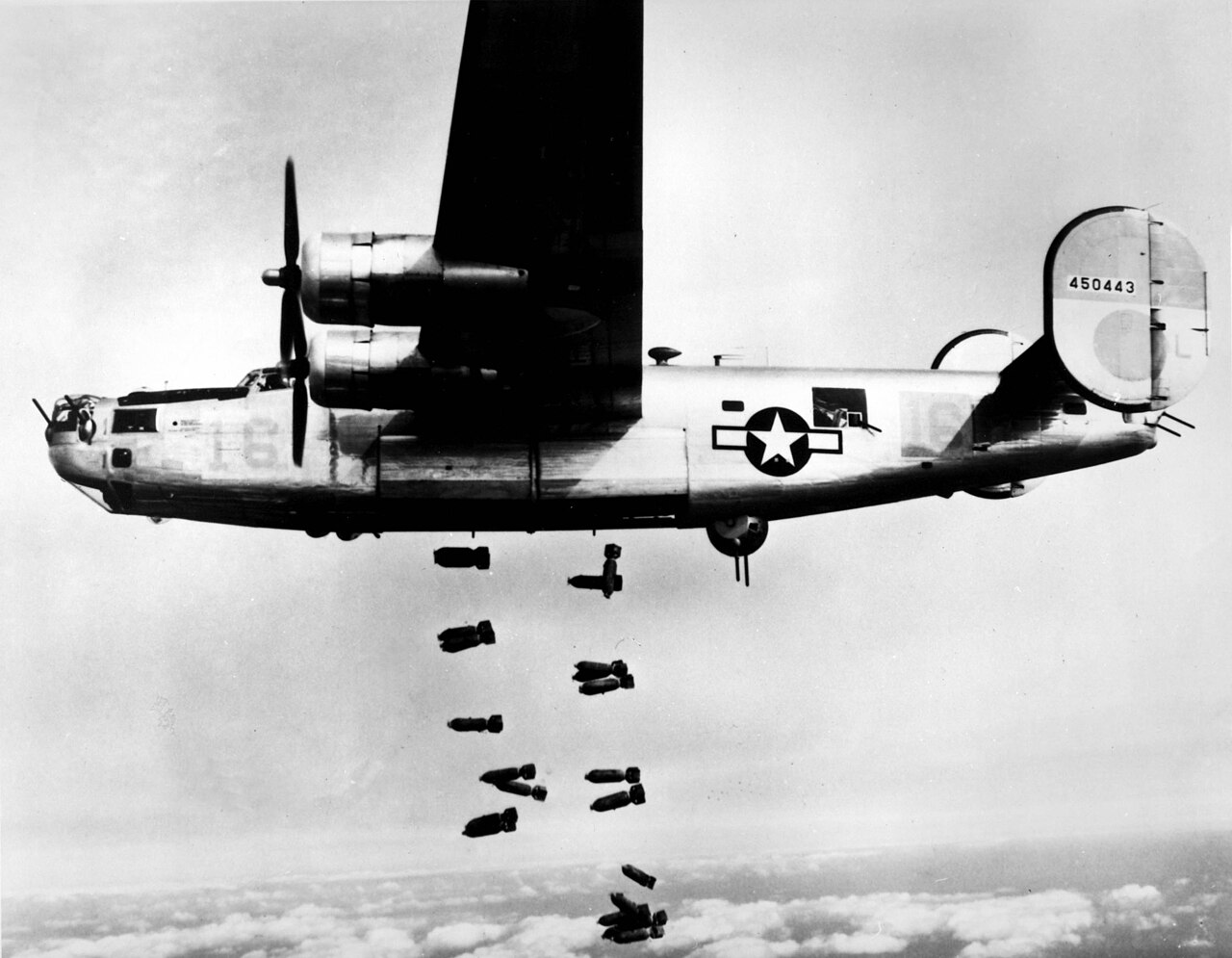
For a long time it felt safe in Vienna, the city was far away from the airfields of the Allies. This changed in 1943 when American bombers launched from airfields in the Mediterranean, first in North Africa and later in southern Italy. On 13 August 1943, the first attack on Austrian soil met Wiener Neustadt. In Vienna, the first bombs fell on the 17th. March 1944, and until the end of the war, there were over 110 flight alerts here.
The first heavy attack on Vienna came on 10 September 1944. Bombs hit the Albertina and the Old Town Hall, among others. This was followed by major attacks such as that of October 17, 1944, which hit several districts at the same time. On 19 February 1945 the Tiergarten Schönbrunn was also hit. Of its approximately 3,500 animals, only about 1,500 survived.
The heaviest attack followed on 12 March 1945, exactly seven years after the invasion of German troops. They met Staatsoper, Burgtheater, Volkstheater, Kunsthistorisches Museum and the Neue Burg. The auditorium and stage of the Staatsoper burned out. According to an often told account, the bombers were actually targeting industrial plants in Floridsdorf.
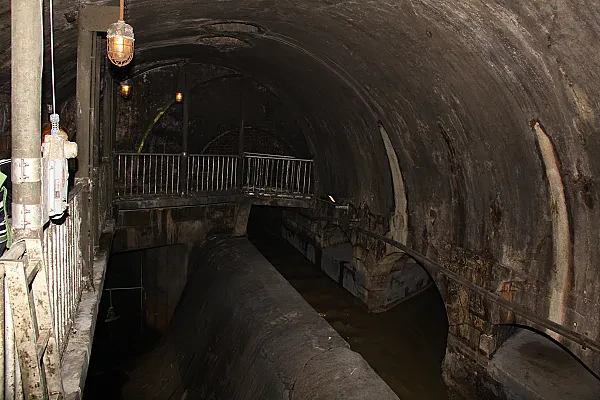
Depending on the count, there are 52 or 53 major attacks at the end. 8,769 Viennese civilians were killed, plus 1,103 people who did not come from Vienna. More than 21,000 houses, about a fifth of the city, were destroyed or damaged, 36,851 apartments completely destroyed. Even under the ground, the bombs left traces, in the canal network alone, there were 3,700 damage points. All this could not be reported, because from the 14. In July 1944, it was forbidden to photograph war damages.
Living Under the City
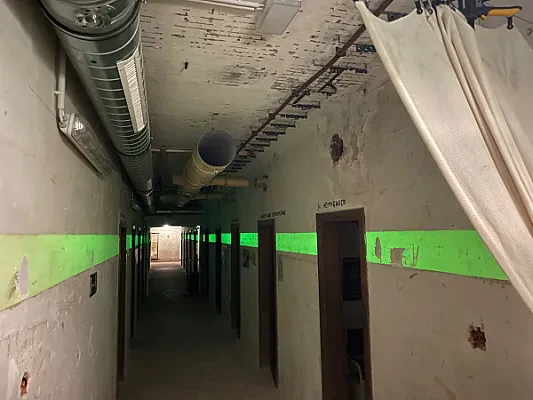
In addition to the sirens, the radio also warned. A cuckoo call urged people to visit the air defense rooms. They grabbed the necessities, took the children and descended. In the basement, everyone often had his permanent place, some places were even marked with afterglow color, so that they were also found in the dark. Then it was to wait, close to close, and listen to the roaring over itself.
In the firewalls to the neighboring houses there were the wall breakthroughs, openings of about 80 by 80 or 100 by 75 centimeters. They were only closed with a thin wall so that fire and smoke could not spread like in a fireplace. In an emergency, they were beaten through and fled underground into the next house.
From 1944, the city wanted to turn these single cellars into a large system. The Inner City's air shelter network was intended to connect basements through breakthroughs and brick corridors to form an underground labyrinth that traversed almost the entire city center. Even casemates of the old city fortifications and historic mines were included. Planned was space for 280,000 people, the exits were to be located in debris-free places such as the castle garden, the Volksgarten, the city park, the Rudolfsplatz and the Morzinplatz. Of 20 planned exit structures, however, only two were completed, for example at Rudolfsplatz. Ventilation remained a major problem until recently.
Thousands of forced laborers had to work in the city’s air defense structures, mainly Italian military internees and workers from Eastern Europe. In a downtown basement, archaeologists found names of forced laborers, written on the wall with a pencil.
Certainly the cellars were not. On 12 March 1945, around 280 people sought protection in the Philipphof behind the opera. At least five bombs hit the house, it collapsed and burned out. About 200 people were killed in the basement, only about 180 could be recovered. Today at this point, on Helmut Zilk Square, Alfred Hrdlicka’s memorial against war and fascism stands. Dangerous was also the air itself, because in overcrowded shelters oxygen became scarce, which could be fatal, especially for young children.
Bunkers, studs and flak towers
Most Viennese had only their house cellar. Public shelters hardly existed for a long time. In September 1943, there were just 25 public protective buildings throughout Vienna with space for about 12,000 people. Only under the impression of the attacks was upgraded. In 1944, there were 339 public air defense rooms, in addition to fragmentation trenches in parks and squares, such as at Dornerplatz in Hernals or in the March Park. In October 1944, there were 139 such trenches for about 22,000 people.
On the slopes on the outskirts of the city, tunnels were driven into the mountain, such as a 350-meter-long tunnel in the Küniglberg or a large complex on the Cobenzl. On the Gallitzinberg in Ottakring was the command of the Gauleitung, the so-called Schirachbunker, named after the Vienna Gauleiter Baldur von Schirach. It is still closed to this day.
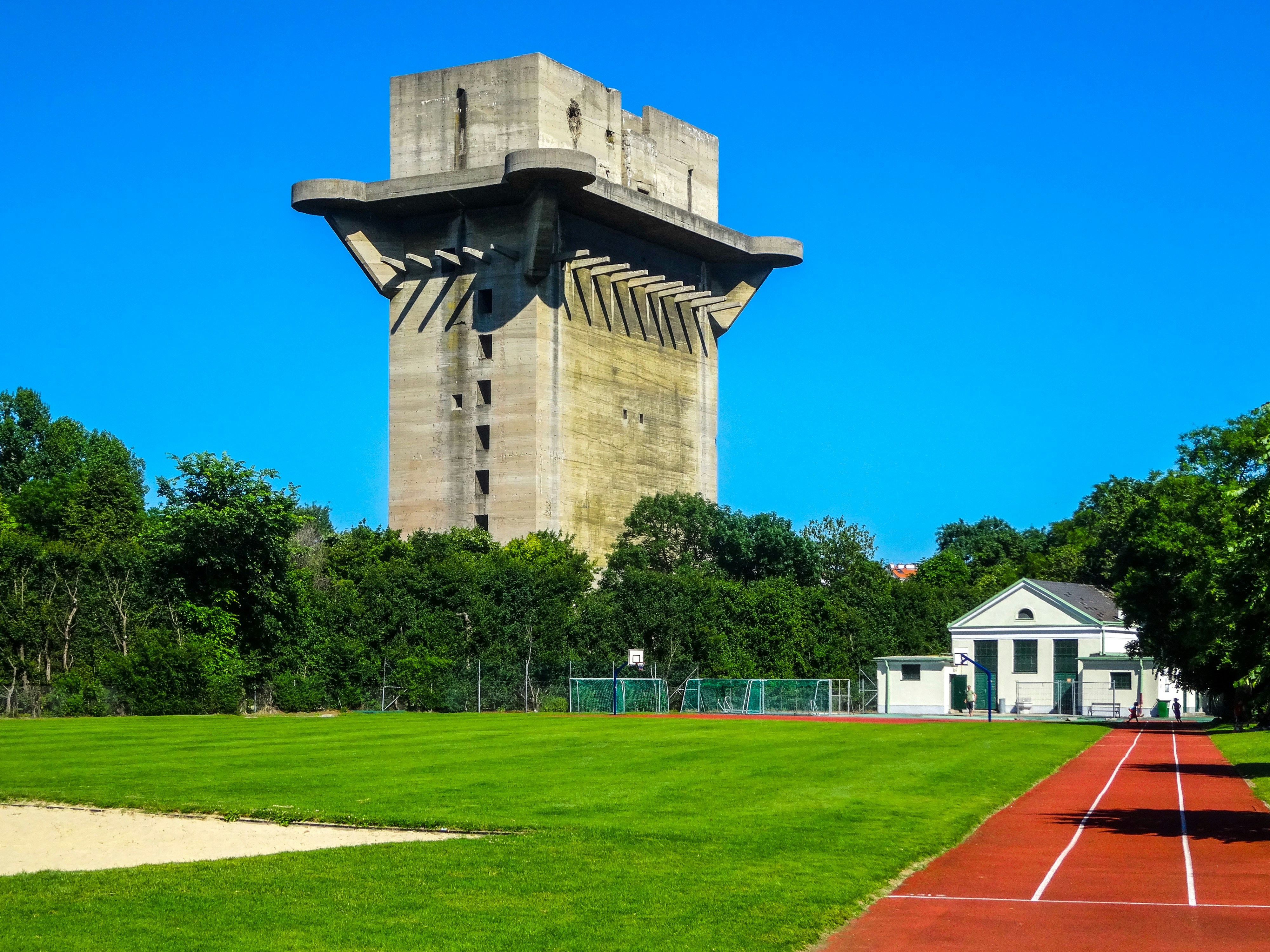
But the most powerful buildings cannot be overlooked to this day. Between the end of 1942 and the beginning of 1945, three pairs of flak towers were built, in the Arenberg Park, in the Esterházypark near the Stiftkaserne and in the Augarten. Each pair consisted of a guide tower and a gun turret with heavy anti-aircraft guns on the roof. Inside, mothers with children, people with disabilities and war-affected people found refuge; the tower at the collegiate barracks alone provided space for 15,000 people. They were also built by hundreds of forced laborers. Today, one houses the House of the Sea, another serves the MAK as a depot, the towers in the Augarten are largely empty.
However, there was no protection for everyone. Who was allowed into which room was strictly regulated, and some people remained only a trench covered by necessity, while the bombs fell over them.
What remains of the cellars
At the end of March 1945 the major air raids ended, in April the Red Army captured the city. This also ended the air protection network. After the war, the wall breakthroughs were closed again and many corridors filled with rubble. Stolls were filled or bricked. The basements became again what they were before, storage rooms under residential houses.
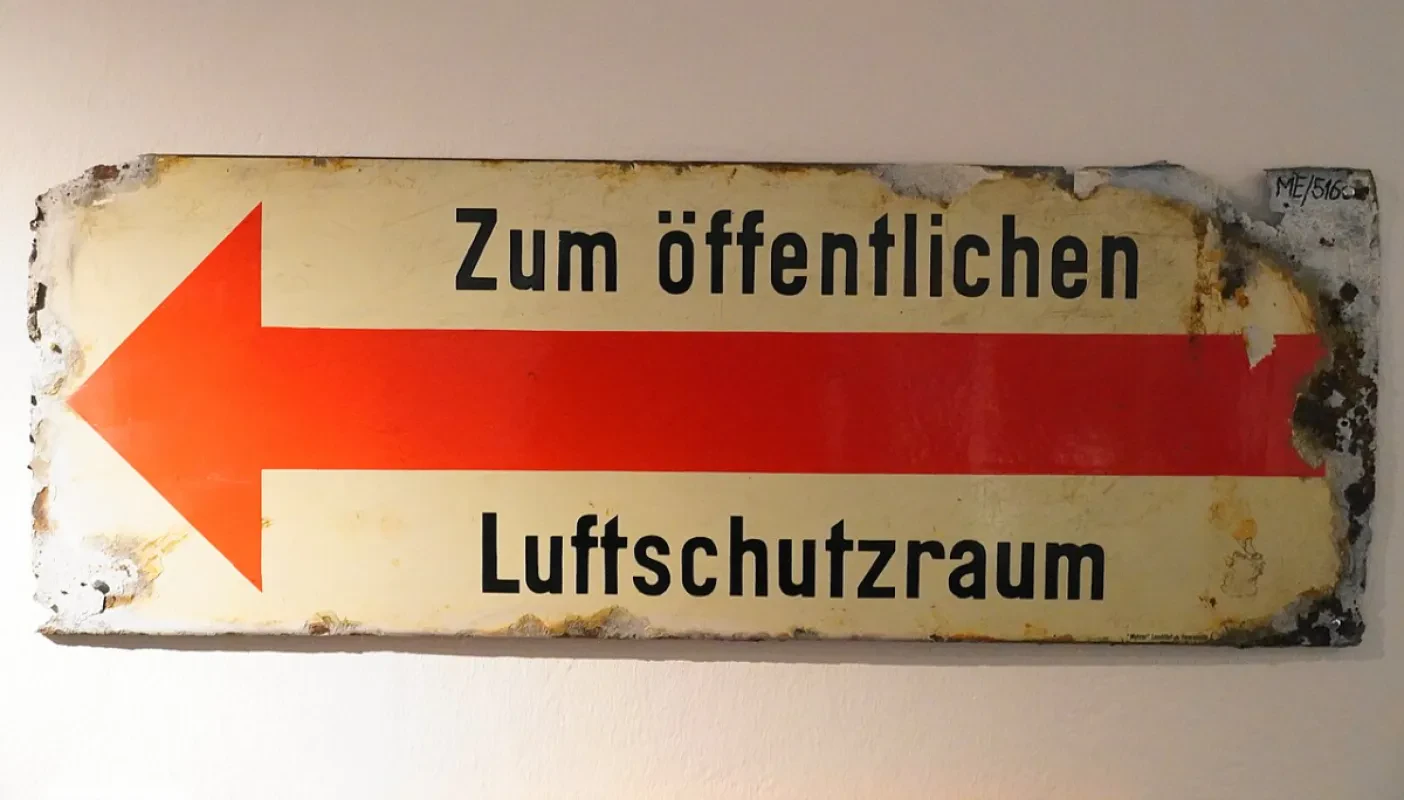
But the traces have not disappeared completely. On some facades you can still read the old abbreviations. LSK stood for Luftschutzkeller, LSR for Luftschutzraum, MD for Mauerbruch and NA for emergency exit. Arrows pointed the way to the ring, belt, parks or the Danube.
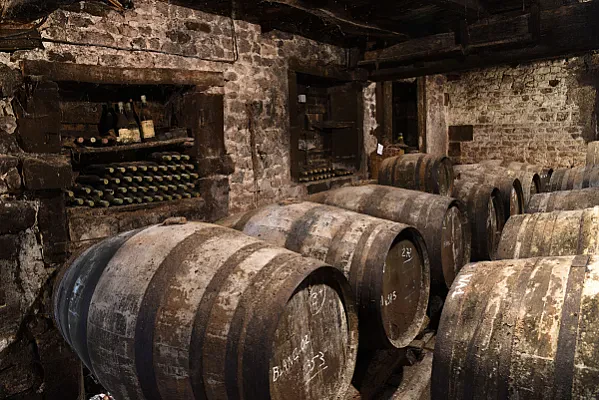
It is even more impressive below. In some basements of the city center there are still walled passageways, signposts on the walls, notes written with a brush or white pen and even red markings left by Soviet soldiers after the war. Whoever stands before, feels how close this time is still.
Down into the shelters
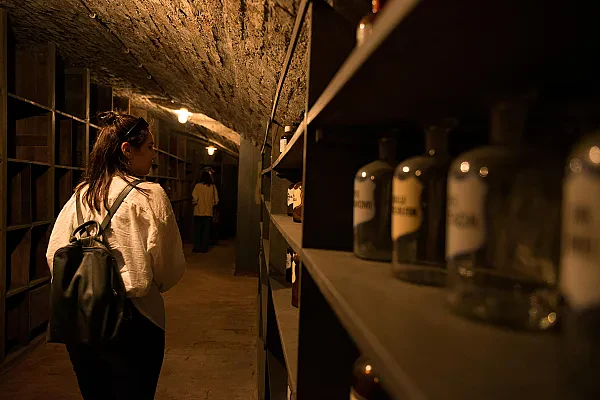
Most of these basements are under private houses and are closed to the public. A few of them can be entered. During the Vienna Underworld Tours from Vienna, you will descend into private basements in the city centre, including former air raid rooms and a historic school cellar. You stand in front of the tracks that have been mentioned here and hear the stories of the people who sought protection down here.
It is best to bring a flashlight. When the light wanders over the old walls and suddenly traces from the war appear, history suddenly becomes very tangible.
SourcesVienna History Wiki, Air War·Vienna History Wiki, Urban Air Protection Measures in the Second World War·Vienna History Wiki, Air Shelter Network Inner City·Vienna History Wiki, Austrian Air Protection Association·Vienna History Wiki, Flak Towers·Vienna History Wiki, air raid tunnels·Vienna History Wiki, Philipphof·Urban archaeology Vienna, the last phase of air protection·Wikipedia, air strikes on Vienna·Austria Forum, Air War·Wiener Zeitung, air war over Austria