Where Vienna hides its wine
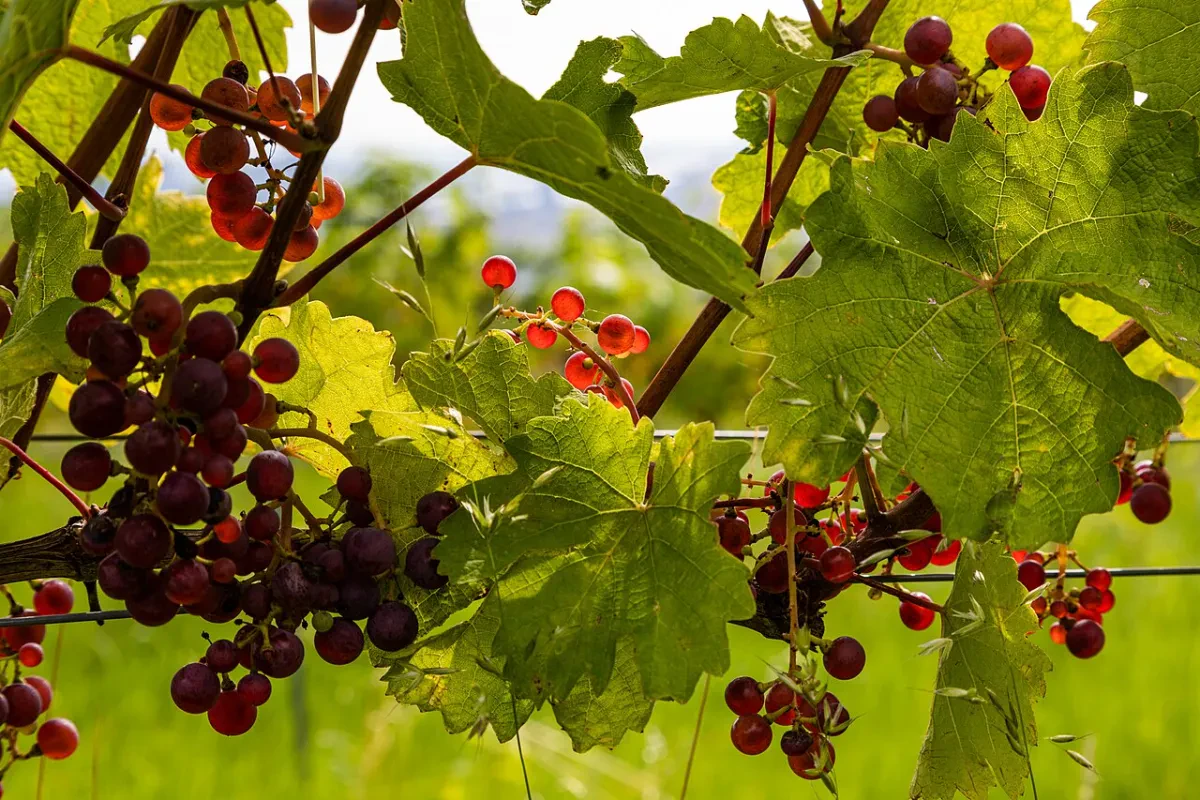
The City of the Forgotten Wine Cellars
Vienna is a wine city, and this is not only evident in the vineyards on the outskirts of the city. Under the pavement of the city center are hundreds of cellars, some up to four floors deep. In the best of times, there were more than 60 wine cellars in the Inner City alone, where they served, played and celebrated.
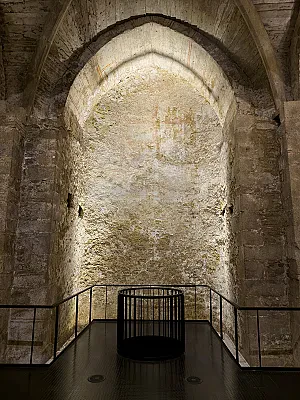
Anyone who descends into one of these cellars today notices the difference immediately. With each step it gets cooler and quieter, the noise of the city remains at the top. Most of these rooms are forgotten, walled up or serve as camps. But her story tells a lot about how closely Vienna and wine have been connected for centuries.
Why Vienna is so deeply cellared
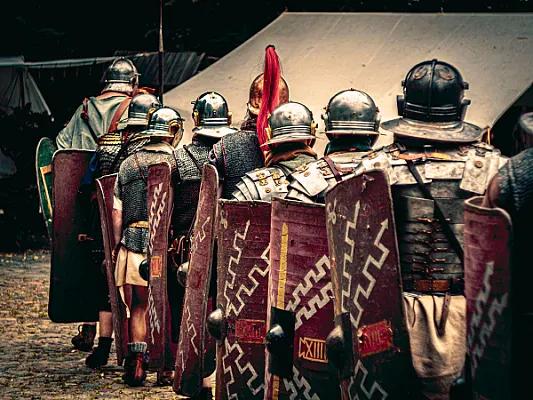
The roots date back to Roman times. In the 3rd century, Emperor Probus lifted the ban on growing wine in the provinces, thereby promoting viticulture in Pannonia, which included Vindobona. In the Middle Ages, wine became the basis of Viennese prosperity. The oldest occupied vineyards date back to the 12th century, and in 1445 Vienna exported around 140,000 hectolitres of wine.
Almost every citizen, every monastery and the prince himself owned vineyards at that time. Until 1563, 108 press houses were even within the city. All this wine had to be stored somewhere, cool, dark and at the same temperature as possible. The best place for this was directly under your own houses.
So under the city center cellars grew into the depths, some over several floors. In addition to the wine, there were also goods that came to the city via the Danube. Who once stands in such a vault, immediately understands why. Even in midsummer, it remains pleasantly cool down here.
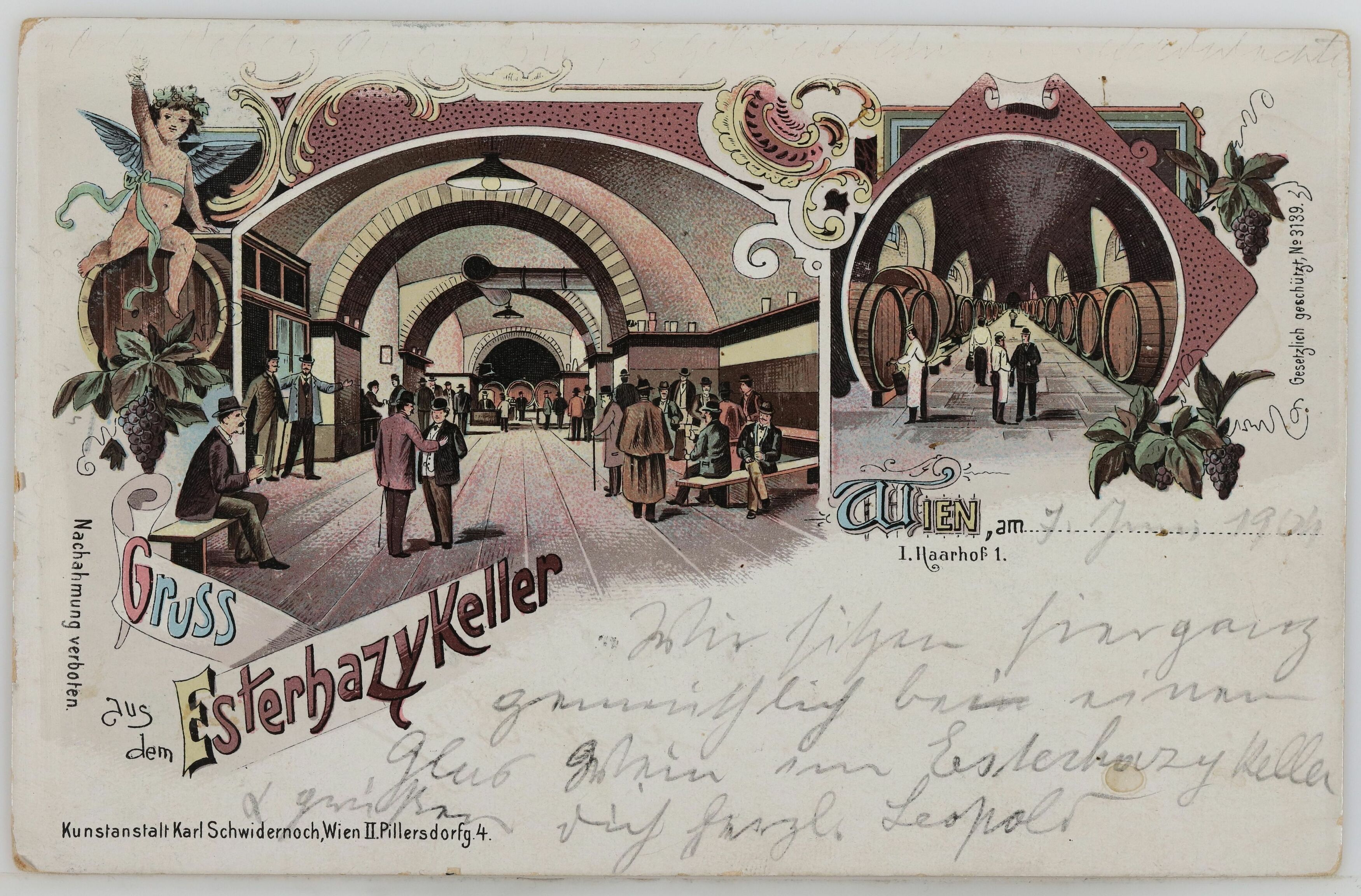
Wine tasting in a hidden cellar
Monasteries, innkeepers and a wild flowering period
Since ancient times, Viennese citizens were allowed to pour their own wine in the cellar of their house. In the 13th century, the city also got the right to offer wines from outside in a tavern. Especially good were the drops in the cellars of the monasteries, the so-called collegiate cellars.
Around 1725 the Viennese wine cellars were both famous and notorious. The writer Friedrich Schlögl later described the bustle there as “great and full”. At the end of the 18th century, officials and citizens preferred to drink their wine in the inns, to 16 or 24 cruisers. The simple man, on the other hand, descended into the cellars, where the wine cost only 6 or 8 cruisers.
The authorities soon became too colorful. In 1752 waitresses were forbidden in wine bars and cellars, and the Sunday bowling had to stop. In 1787 there were fixed opening hours. During the week was allowed to open from 9 o'clock, on Sundays and public holidays from 11 o'clock. In the evening it was over at 9 p.m. in winter, an hour later in summer.
After 1851 it went downhill. The authorities were disturbed by the damp, poorly ventilated rooms, and the cellars were considered a meeting point of shady figures. By 1875, their numbers had shrunk to about a dozen, and many were now pouring out beer instead of wine.
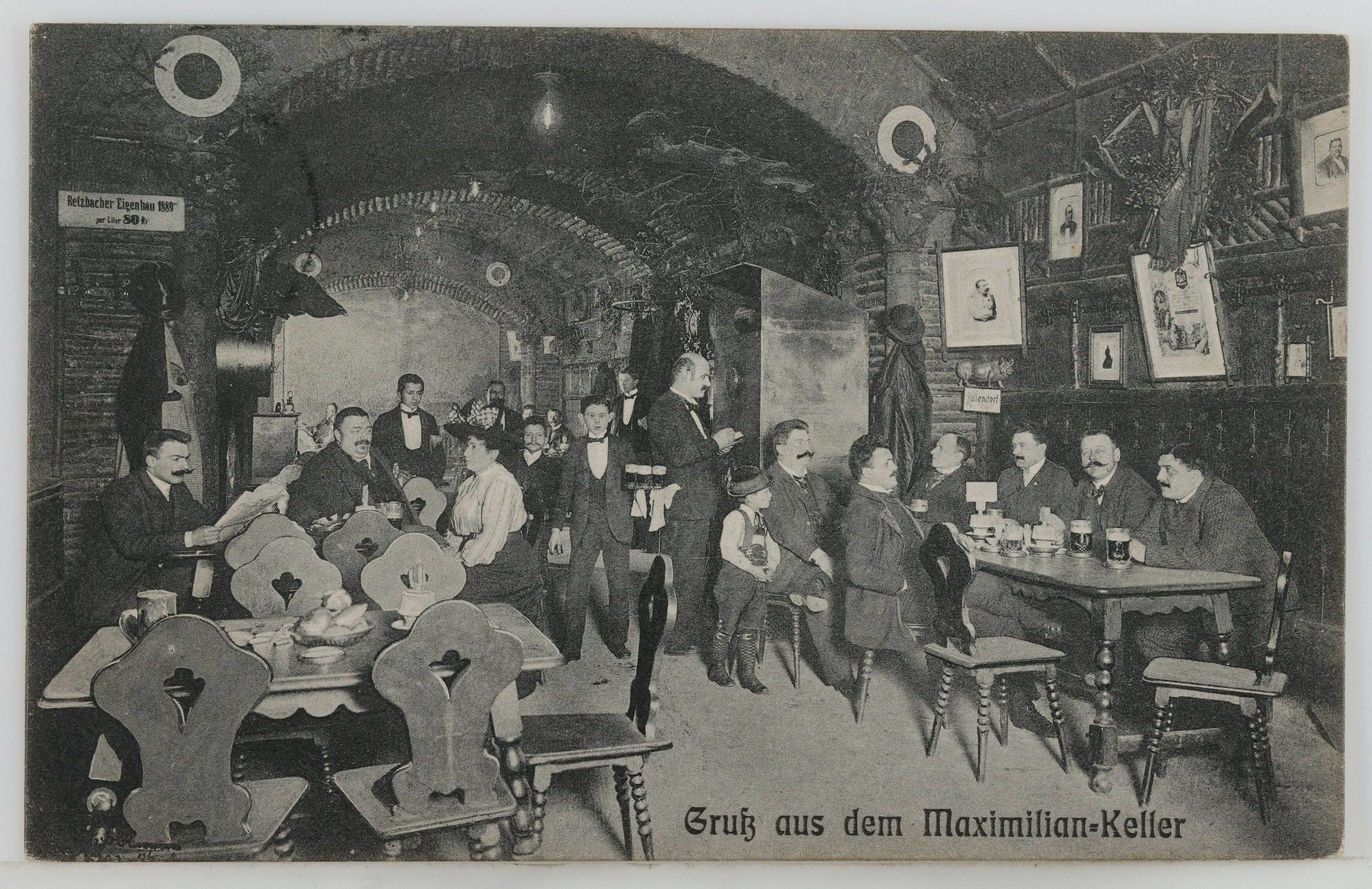
Vienna differently through three of these hidden wine cellars
From wine warehouse to air raid cellar
With the cellar bars, a piece of drinking culture also disappeared. By 1800 the Viennese drank about 120 liters of wine per capita and year, before the First World War it was only about 25 liters. The beer had passed the rank of wine.
During World War II, the cellars filled once again, this time with people in search of protection. Between 1939 and 1945, they were developed into air defense rooms and connected by corridors. This resulted in a kilometer-long system of rooms and corridors, which offered protection to hundreds of thousands of people. In some cellars traces from this time can be seen until today.
Today in most basements are heating systems, ventilation systems or the cellar compartments of the house occupants. Only in a few still happens what they were once dug for. There wine is stored and drunk.
Vienna as a wine city today
The wine itself has remained faithful to Vienna. Within the city limits today grow to around 660 hectares of vines, making Vienna one of the very few major cities in the world with significant viticulture. Since 2013, the city even has its own protected designation of origin with the Vienna Mixed Set. For this, different grape varieties grow together in a vineyard and are read and pressed together. The result is a wine that only exists in Vienna.
The most famous Viennese wine tradition also originated from an old right. On August 17, 1784, Emperor Joseph II allowed himself produced wine and his own food to be sold when and at what price. This became the Heurige. If it is open, a bush of needle branches hangs over the entrance, then it is “unplugged”. The Viennese Heurigenkultur is today an intangible cultural heritage of UNESCO in Austria.
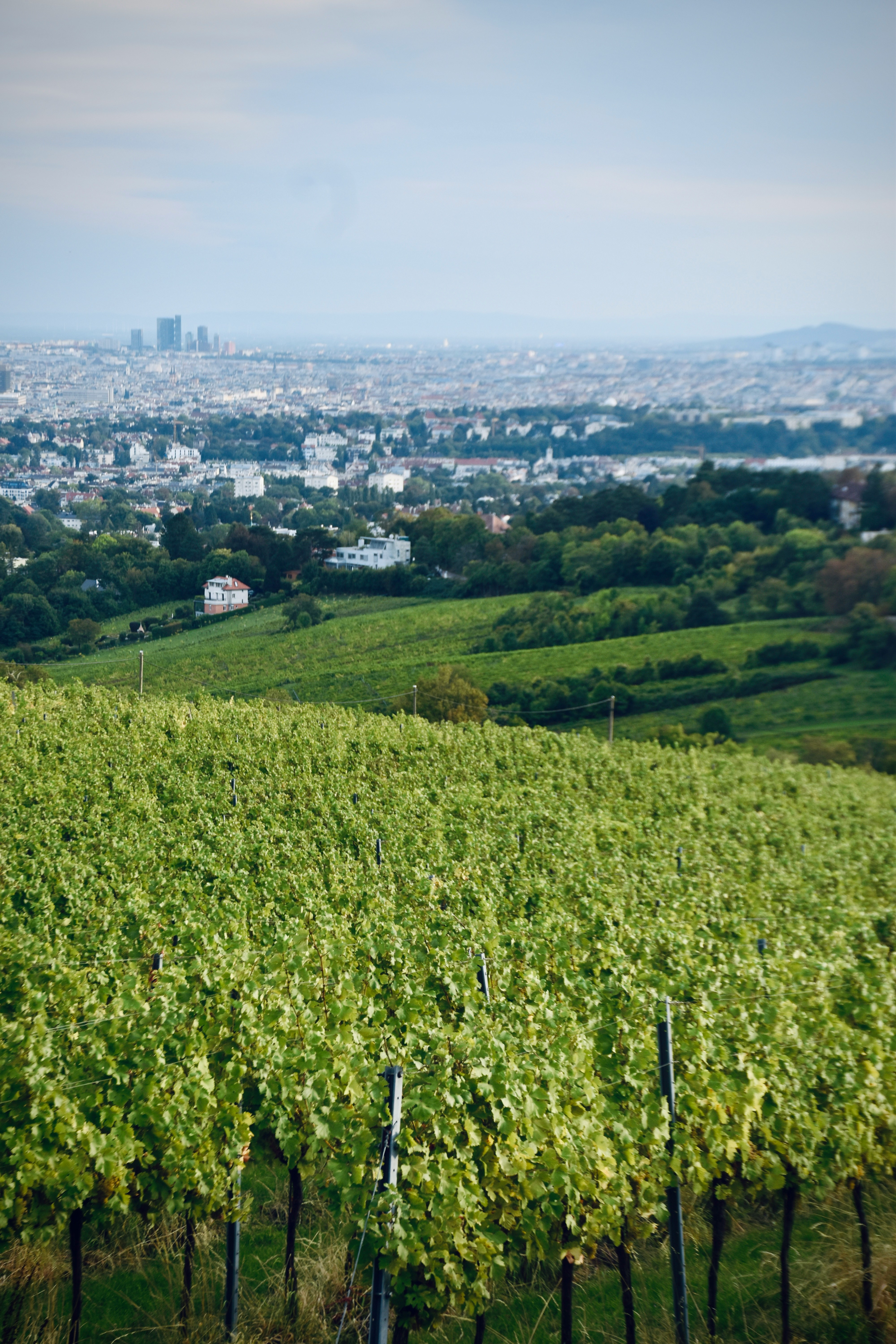
A glass of wine in the old vault
But the best way to understand the Viennese wine cellars is not by reading. A few of the old vaults under the city centre still exist, but today they are private and mostly closed. Cool air, thick walls and stories from centuries, plus a glass of wine from the city that lies above you.
Whoever travels with us through the wine cellars of Vienna, gets a glass of Viennese wine in everyone, from the small winemaker to the big name, plus Austrian specialties. For a shorter detour there is one right at Stephansplatz. And you get down on your own with the audio guide, into one of the oldest vaulted cellars in the city.
Sources Images Wien Museum, Inv. Nr. 236065 and Inv. No. 236063, both CC0; Wien Museum Magazine, wine cellar in Vienna·Vienna History Wiki, viticulture·Ministry of Agriculture, Heurigenkultur·Travel philia, Vienna's underground city centre