The third man in Vienna
A film that does not let go of Vienna anymore
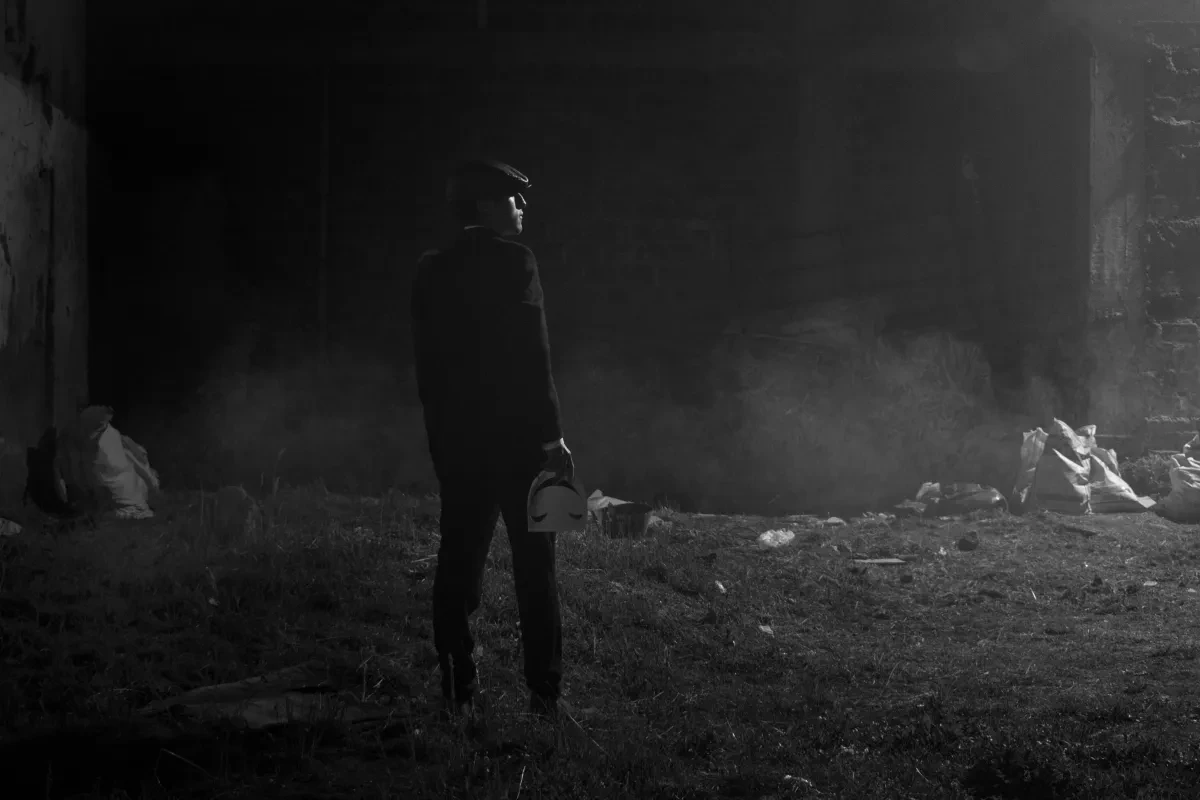
Wet cobblestones in the lamplight, oblique shadows on shattered facades, a zither tune that you never get out of your head again. Hardly any film has shaped the picture of the mysterious post-war Vienna as much as “The Third Man”. The British Film Institute even named it the best British film of the 20th century in 1999. century.
The film does not show a postcard Vienna. It shows a ruined, divided city full of smugglers and black market merchants, and it takes its spectators to where Vienna is most mysterious, underground.
Vienna 1947, a city in four parts
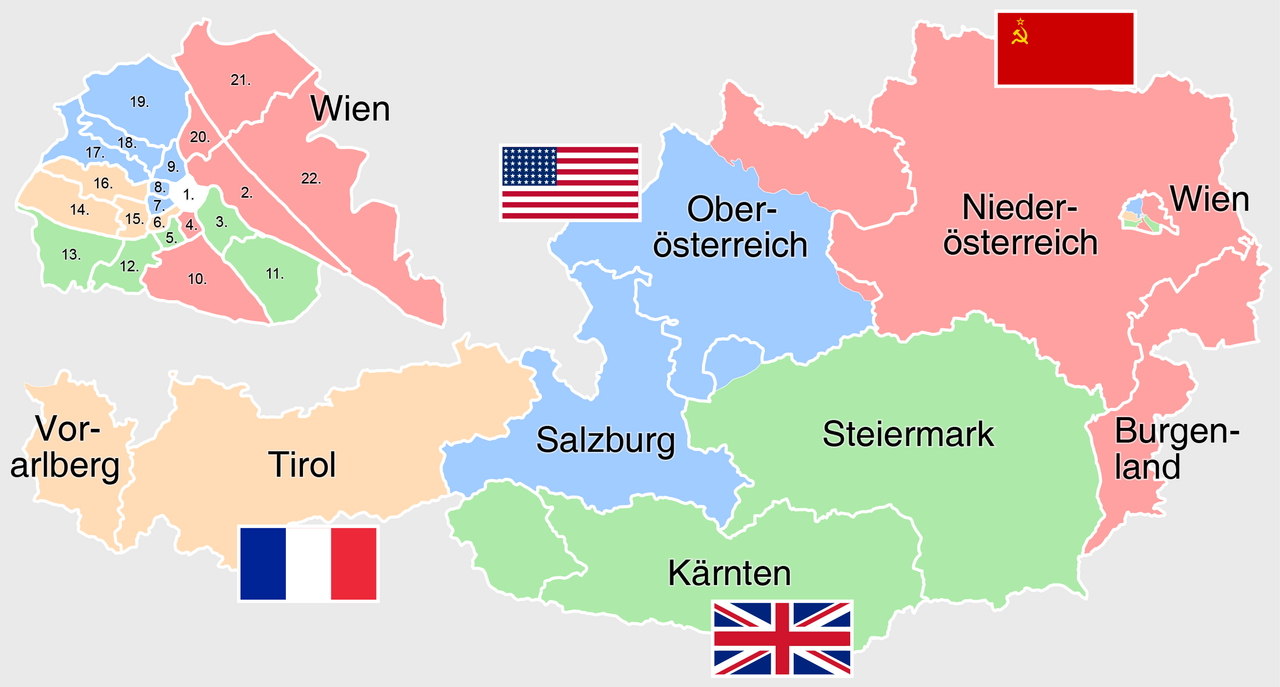
The action takes place in February 1947, two years after the end of the war, was shot a year later. Vienna was then occupied by the four victorious powers, and the districts were divided between the Soviet Union, the USA, Great Britain and France. The Soviets controlled among others the Leopoldstadt and Favorites, the Americans the Josefstadt and the Alsergrund, the British the Landstraße and Hietzing, the French Mariahilf and several districts in the West.
The Inner City was administered jointly, and the presidency changed every month. There, military policemen of all four powers patrolled together in one vehicle, the Viennese called them “The Four in the Jeep”.
Many houses were still in ruins. Food, medicine and fuel were scarce and the black market flourished. It is precisely this mood that captures the film, a city between ruins and reconstruction.
How the film was made
In early 1948, British producer Alexander Korda commissioned writer Graham Greene with a story for a film about post-war Europe. Greene already brought a basic idea, a man who is thought dead and suddenly reappears. In Vienna, the story then got its decisive ingredients.
Elizabeth Montagu led Greene through the city and brought him together with people who knew post-war Vienna well. Through them, he met the journalist Peter Smolka, who told him about the black market and life in the occupied city. Greene also watched the sewers, and this became the underworld that later played a central role in the film.
From these impressions came Harry Lime, a charming but unscrupulous pusher who trades in stretched penicillin and accepts the deaths of innocent people. Greene co-wrote the screenplay with director Carol Reed, and American producer David O. Selznick was involved alongside Korda.
In autumn 1948, filming began in Vienna. Joseph Cotten played Holly Martins, Alida Valli Anna Schmidt, Trevor Howard Major Calloway and Orson Welles Harry Lime. Because Welles was only briefly in Vienna, doubles jumped in for some settings. Cameraman Robert Krasker shaped the distinctive style with hard contrasts in black and white, deep shadows and obliquely tilted perspectives. So that the cobblestone shone, the streets were made specially wet.
The Underworld as the Main Actor
The most famous part of the film takes place underground. Harry Lime uses the Viennese sewage system as a hidden network of paths, and in the end it becomes his disaster in a dramatic chase.
It was not completely invented. In the post-war period, smuggling and the black market played a major role, and sewers were also monitored, for which there was a separate canal brigade of the Vienna police. Members of this unit and canal workers even participated in the filming and can be seen hunting Harry Lime. A British officer is said to have initially taken the name underground police literally and suspected a secret organization against the Allies.
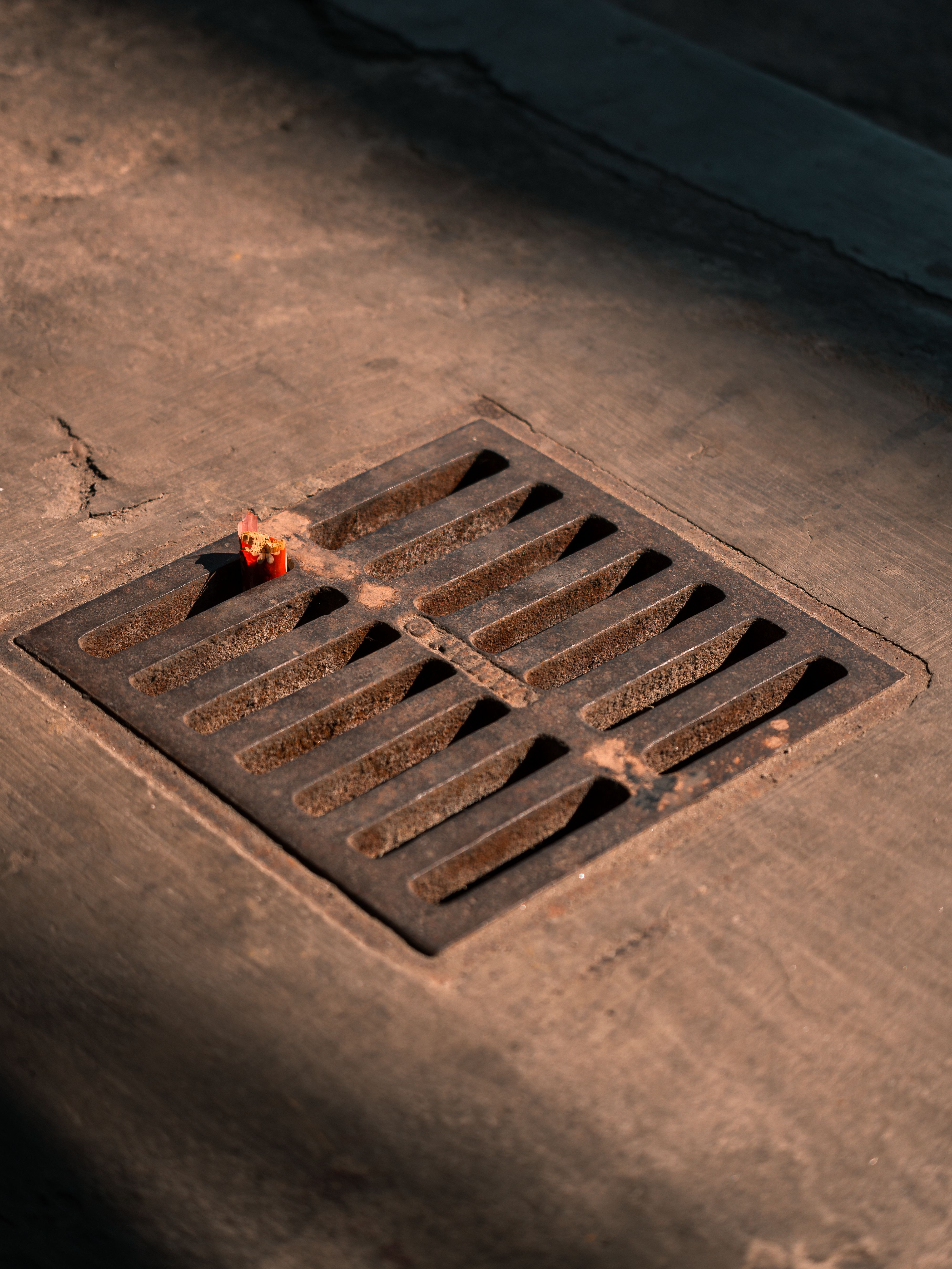
Part of the canal scenes were created at original locations around Karlsplatz, where the Vienna River disappears under the city. Orson Welles did not like the conditions in the real channels, however, so many more settings were later rebuilt in London. There was also one of the most famous shots of the film, the fingers of Harry Lime, stretching through a channel grid. The real Vienna grids were too massive for this.
A Zither conquers the world
The film also owes the famous music to a coincidence. While filming, Carol Reed heard Viennese musician Anton Karas play Zither at a celebration and brought him to London. There, Karas worked on film music for several weeks, and instead of a large orchestra, Reed opted for the sound of a single zither.
The Harry Lime theme became an international hit and topped the American charts for eleven weeks in 1950. Anton Karas, who had previously played with Wiener Heurigen, among others, became famous overnight and later opened his own restaurant in Vienna called “The Third Man”.
The film itself was also a success. In Cannes he won the Grand Prix in 1949, then the main prize of the festival, and Robert Krasker received the Oscar for the best camera of a black and white film in 1951. In Austria, the film was released on 10 March 1950, in a German synchronized and abbreviated version. Curious is the story of Paul Hörbiger, who plays the porter of Harry Lime. He did not speak English and had his sentences recited by an interpreter.
In the footsteps of Harry Lime
Amazingly many film locations have been preserved to this day. According to the city of Vienna, about two thirds of the former locations can still be found.
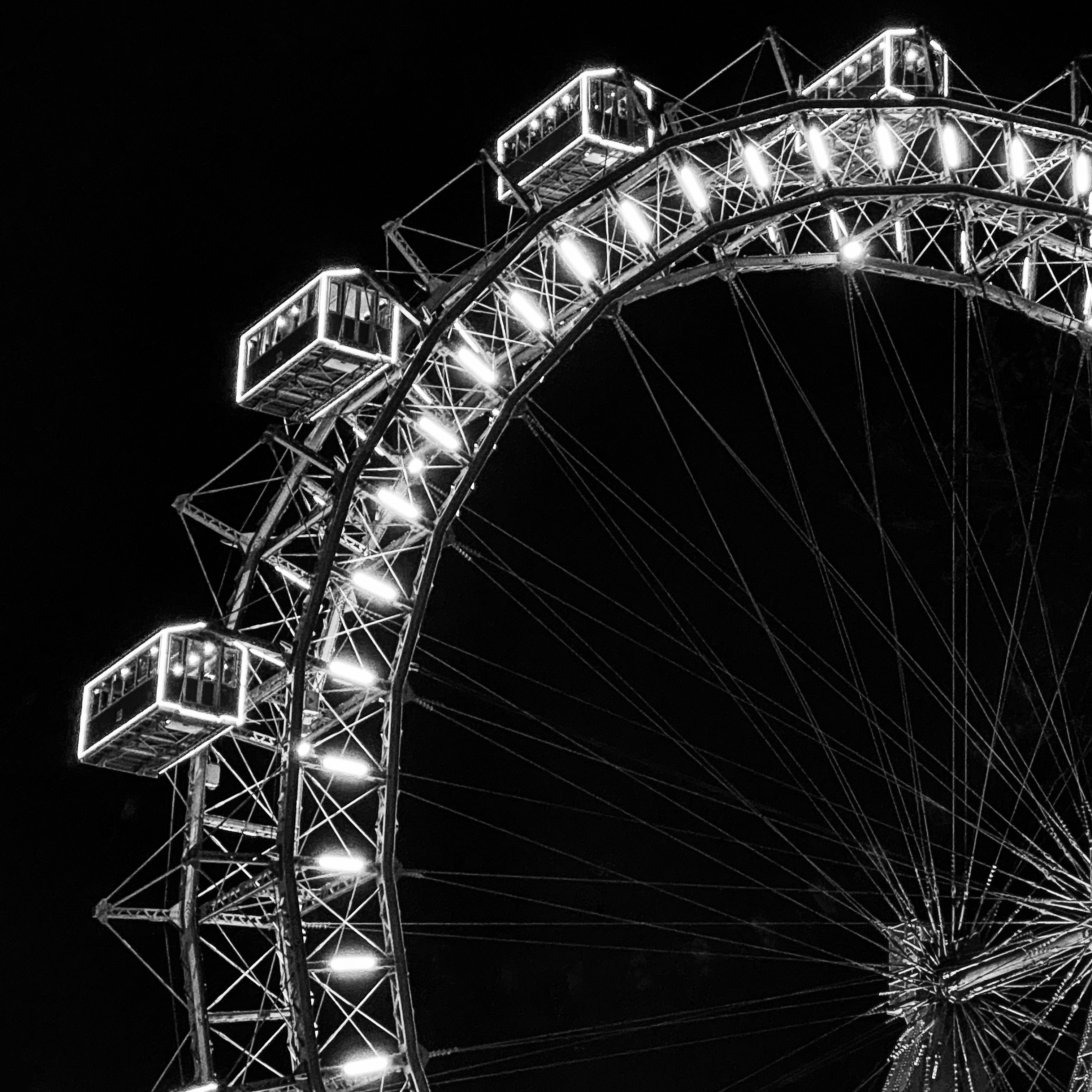
The most famous is the Ferris wheel in the Prater. In one of his gondolas, Holly Martins and Harry Lime meet, and high above Vienna, Lime explains his cynical view of the world to his old friend. Graham Greene had not written the famous end of his speech on Switzerland and the cuckoo clock, Orson Welles himself added.
The exterior backdrop for Harry Lime’s house was the Palais Pallavicini on Josefsplatz next to the Hofburg. Further scenes were created among others Am Hof, at the Hohen Markt, in the Judengasse, at the Mölker Bastei and with Maria am Gestade and St. Ruprecht.
The Central Cemetery plays a special role. Early in the film, Harry Lime is apparently buried there, and in the end the story returns there. The last shot is one of the most famous in film history. Holly Martins waits in a long avenue for Anna, she comes slowly to him and walks wordlessly past him.
The Other Underworld
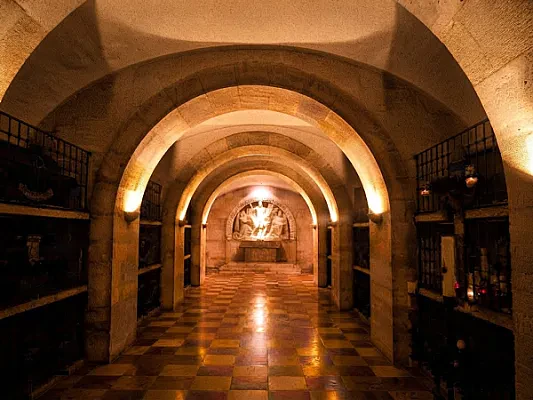
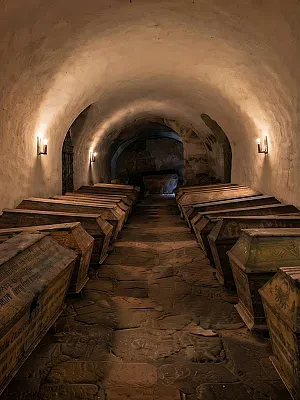
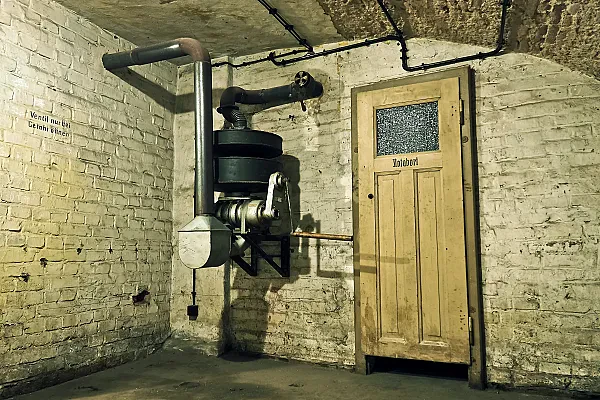
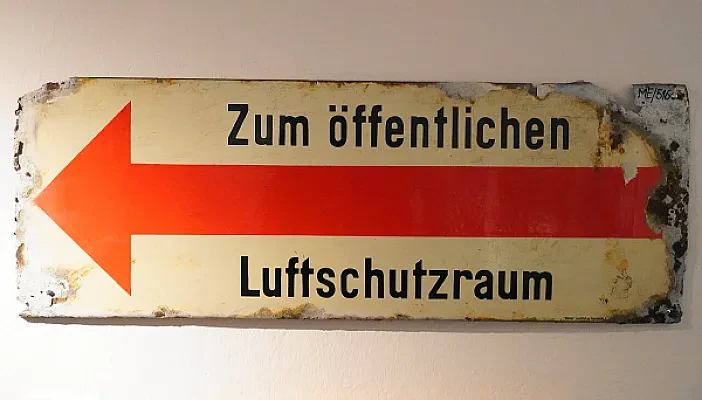
“The Third Man” has made the Vienna sewer world famous, but it is only part of the world under the city. Under the city center are hundreds of old cellars, some reach several floors deep. During the Second World War, many of them were converted into air defense rooms and partially connected underground. Even today there are walled passageways, old signposts and other traces of that time.
It’s a world that fits amazingly well with the mood of the film, dark, twisted and hidden right under the streets. In the case of Viennese Underworld Tour of Vienna differently descend into private basements of the city center. The tour will take you through historic basements, former air shelters and other places that normally remain closed.
Although these cellars have nothing to do directly with Harry Lime, they show exactly the hidden side of Vienna that makes “The Third Man” so fascinating to this day. You have to remember the zither.
Sources Vienna History Wiki, The Third Man · Vienna History Wiki, Allied Crew · City of Vienna, Vienna Canal and The Third Man · Wikipedia, The Third Man · Wikipedia, The Third Man · Wikipedia, Cannes Film Festival 1949