Halloween in the city under the city
For goosebumps you do not need plastic pumpkins in Vienna. The city has enough real scare stories, and most of them play underground. In fountains, pits, tombs and cellars lurks mythical creatures, plague deaths and mummies, some only in the legend, some quite real.
Here are five places of the Viennese underworld, where it runs cold even without costume down your back.
The Basilisk in the Fountain
In June 1212 the maid of a baker noticed something strange in today's Schönlaterngasse. A terrible stench arose from the well, and something glittered deep down. A courageous teacher descended and came up again pale with fear. He had seen a creature, half rooster, half toad, with scale tail, a crown on his head, and glowing eyes.
A scholar recognized a basilisk whose poisonous look and breath could kill anyone. His advice was as simple as it was daring. You should hold up a mirror to the beast. When the basilisk saw its own reflection, it burst with fury, and the well was filled with stones and earth.
On the facade of Schönlaterngasse 7 to this day, a stone figure of the basilisk reminds of history. A very sober explanation was later provided by the geologist Eduard Suess. He suspected poisonous natural gases rising from the well behind the saga.

Dear Augustine in the Pestpit
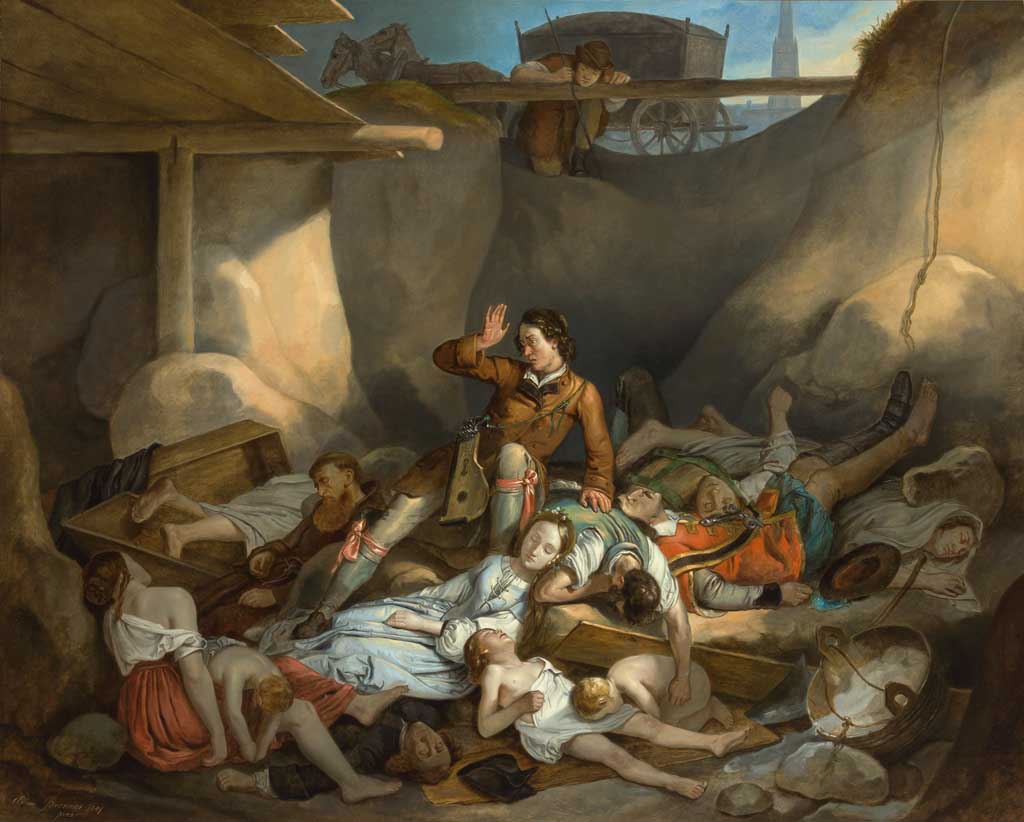
In 1679, the plague raged in Vienna. The dead were driven on carts through the city and thrown into open pits. One of the most famous Viennese of that time was a bench singer and bagpiper named Augustin, a man who liked to drink and entertained the people in the taverns with his songs.
According to legend, Augustin fell asleep drunk on the street one night. The grave-diggers considered him a victim of the plague and threw him into a plague pit near the Ulrichskirche. When he awoke between the bodies in the morning, he began to play and sing until he was heard and pulled out. He still didn’t get the plague.
The character is not completely invented. Augustine really lived, he was born around 1645 and died in the streets in 1685, six years after the great plague. His family name is not handed down. The famous song “Oh you dear Augustin” only came to Vienna around 1800, more than a hundred years after his death.
The Mummies of Michaelergruft
Just opposite the Hofburg, under the Michaelerkirche, is one of the most eerie places in the city. From about 1560, dead people were buried here, a total of around 4,000 people, until 1784 all the tombs were closed. When the tomb was rearranged in 1923, the coffins were sometimes four to five layers on top of each other.
But the real ghostly thing is what happened to some of the dead. Due to a constant draught of air and because the corpses were embedded on planer chips, they dried up instead of decaying. This is how mummies were created, of which more than 20 are still preserved today, some still in their baroque clothing. Some of them have been lying down there for over 250 years as if time had stopped.
Bones under St. Stephen's Cathedral
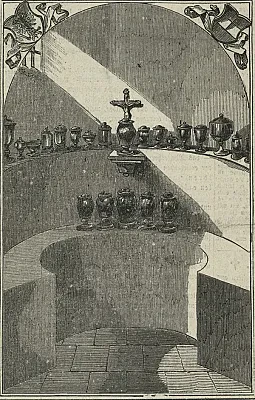
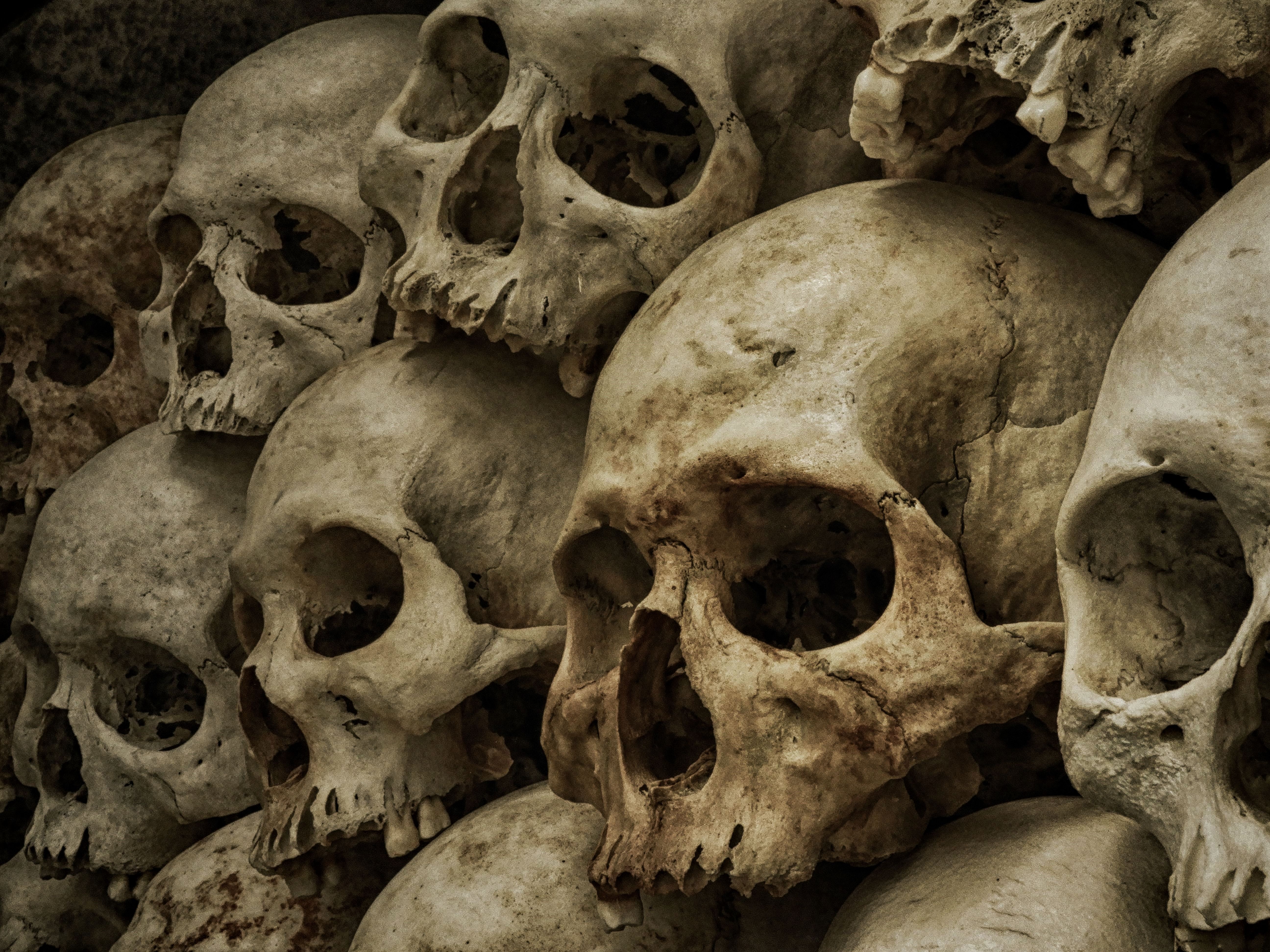
Only a few lanes further is the largest city of the dead in Vienna. Almost 11,000 people were buried in the catacombs under St. Stephen's Cathedral between 1745 and 1783. If the tomb chambers were full, they were walled up, and allegedly the smell of decomposition at times penetrated up to the cathedral. Later, monks and convicts stacked the bones neatly under the ceiling, as they are still seen today. For this purpose, the bowels of 56 Habsburgs rest here in copper urns.
The Nunnenloch in Singerstraße
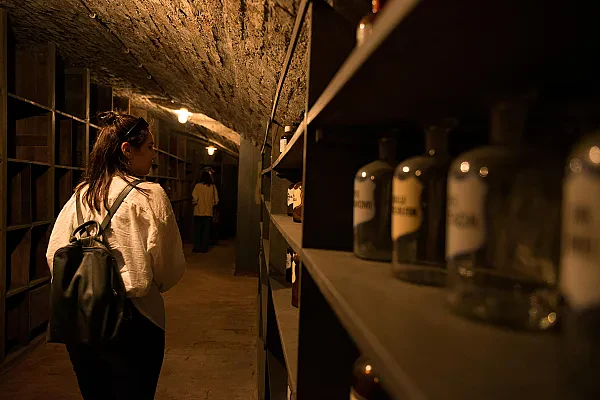
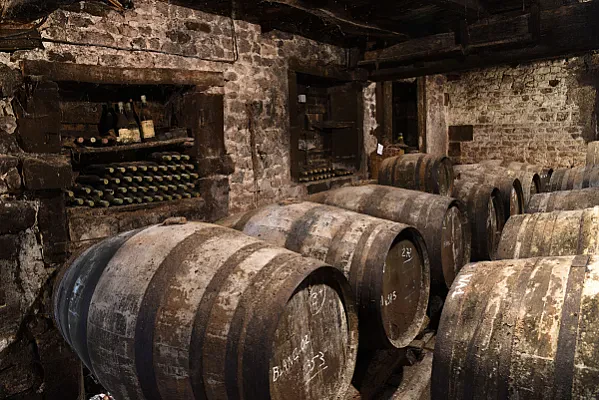
Less known is a cellar in the Singerstraße, under the pharmacy Zum goldenen Reichsapfel. The house stands on the walls of an old monastery, and its cellar extends two floors deep. In one of the brick vaults gaps a dark hole in the ceiling, which is called the nun hole and around which legends rank. The place is not quite monstrous, because in the basement you even found a human vertebral bone.
Go down even if you dare
Perhaps the most sinister thing about the Vienna Underworld is that it is so close. Under the alleys of the city center are hundreds of old cellars, some several floors deep, many of them abandoned and forgotten. Here it is silent, cool and dark, and every sound suddenly sounds louder.
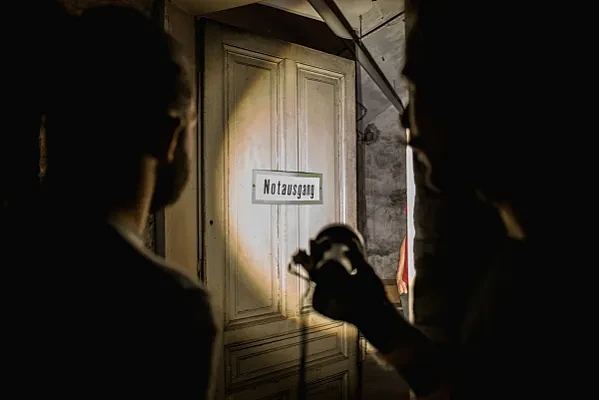
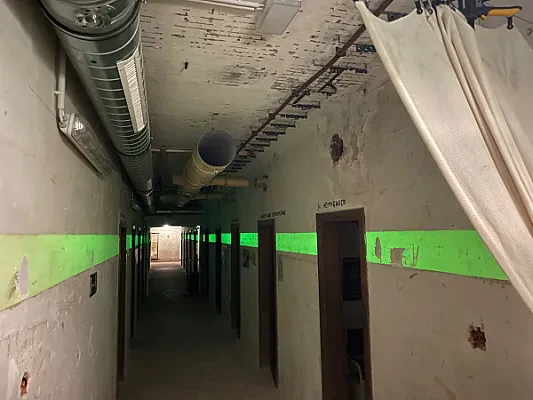
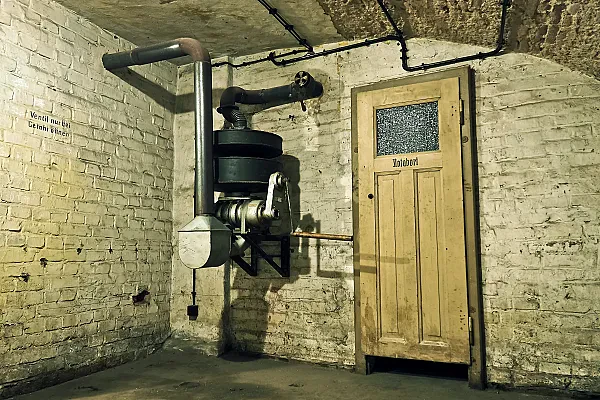
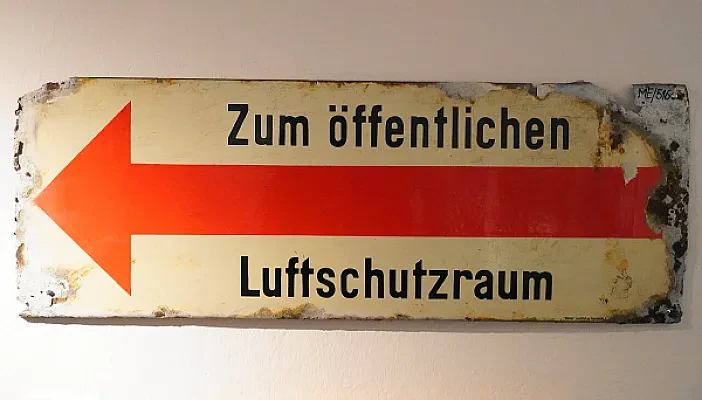
The Vienna Underworld Tour Descend exactly into such basements, discover Lost Places and former air shelters that are otherwise closed. Take a flashlight and stick to the group. You never know what's waiting down there.
SourcesVienna History Wiki, Basilisk House·Said.at, The Basilisk in the Schönlaterngasse·Vienna History Wiki, Augustin N.·Vienna History Wiki, Michaelergruft·Cemetery and Monument, The Michaelergruft in Vienna·Vienna History Wiki, Catacombs (St. Stephan)·Wikipedia, Herzogsgruft·Pharmacy for the golden imperial apple, stories